← Back to the Zannini Group site — the group
Research prototype · not a medical device

See the retina.
Catch diabetic eye disease in time.

RetiVista is an AI-assisted screening tool in development: it reads a photograph of the retina and flags the signs of diabetic retinopathy, so that people with diabetes can be referred to an eye doctor before sight is lost.

How it works Get in touch
Retinal photographNo dilationResult in secondsRuns on-siteMade in Italy
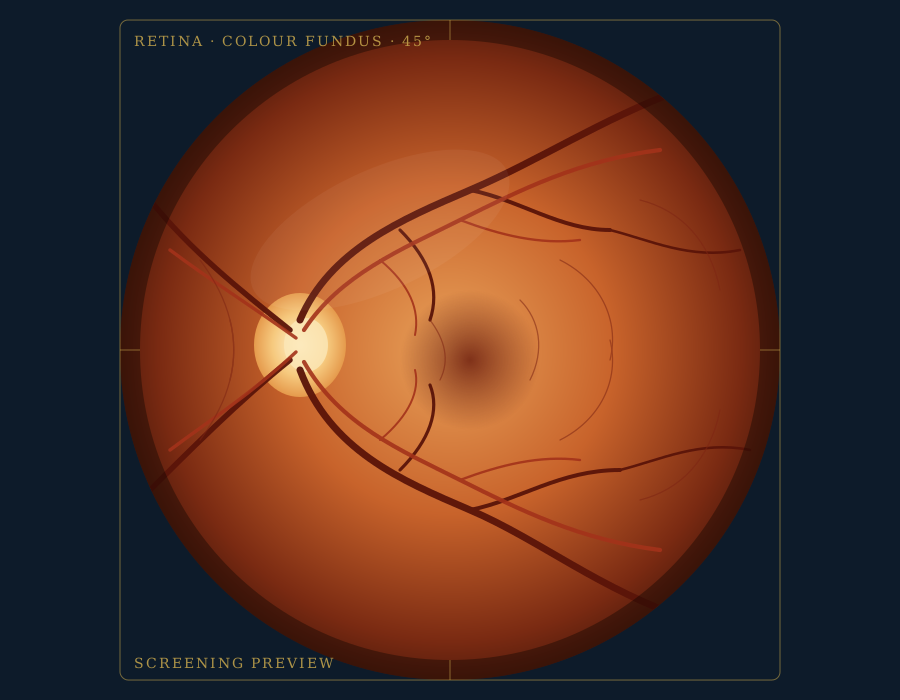
Stylised illustration of a retinal photograph with the optic disc, the macula and the blood vessels
What it is

A second pair of eyes for the people who see patients first

Diabetes damages the small blood vessels of the retina, the light-sensitive layer at the back of the eye. This damage — diabetic retinopathy — is silent for years and is one of the leading causes of blindness in working-age adults. Yet most of that vision loss can be avoided when it is found early and treated.

The problem is not the treatment: it is getting people to the eye exam. Many people with diabetes skip their yearly retinal check because it means a specialist, a waiting list, a trip.

RetiVista is designed to bring the first look closer to the patient: a retinal photograph taken by a pharmacist, a nurse or a family doctor, analysed on the spot by software that estimates the severity of retinopathy and says whether the person should be referred to an ophthalmologist.

100+ Mpeople worldwide living with diabetic retinopathyestimated 103 million in 2020, rising to 160 million by 2045 (Teo et al., Ophthalmology 2021)
1 in 3people with diabetes has some degree of retinopathyInternational Diabetes Federation
Up to 90%of severe vision loss from diabetic retinopathy is preventable with timely detection and treatmentInternational Council of Ophthalmology guidelines
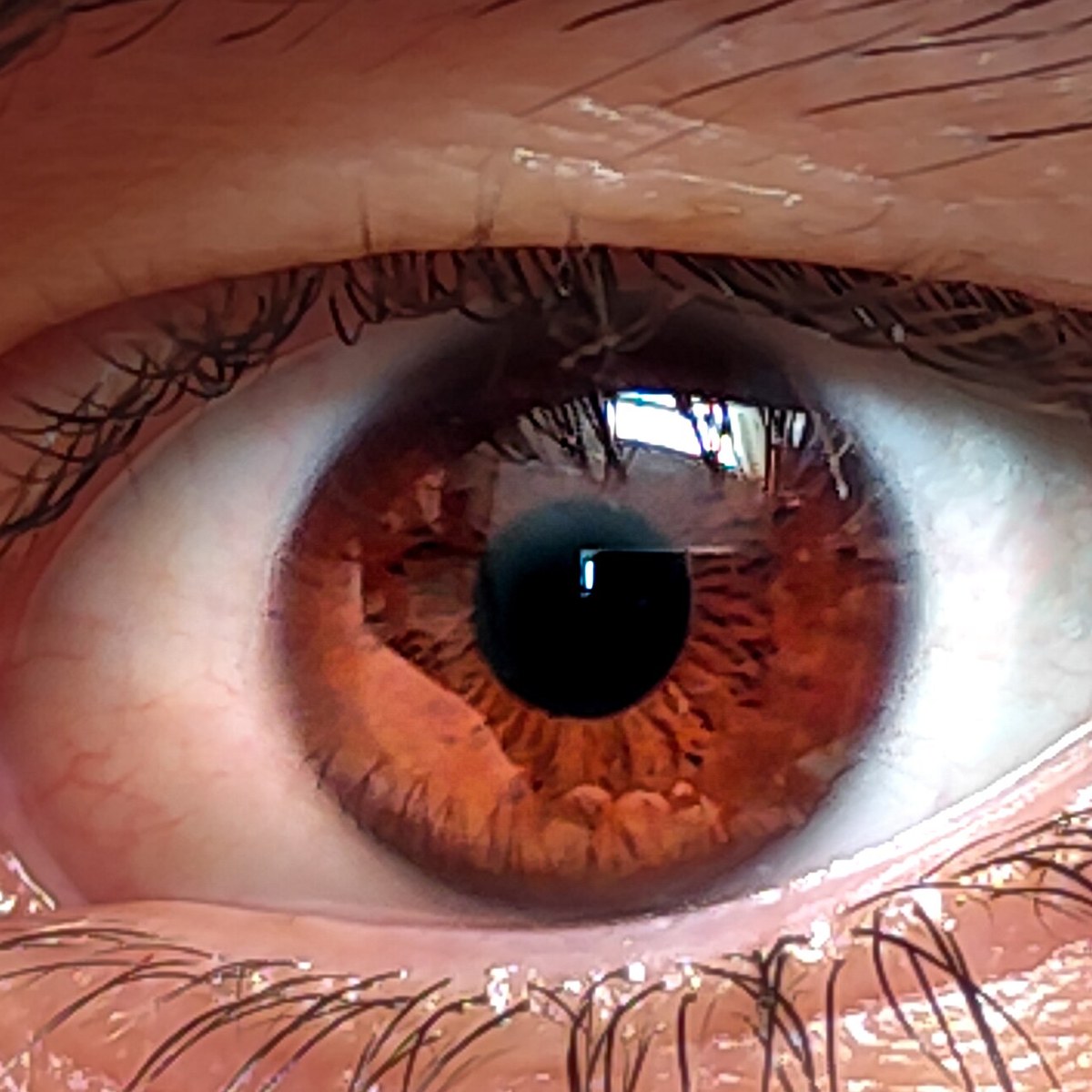
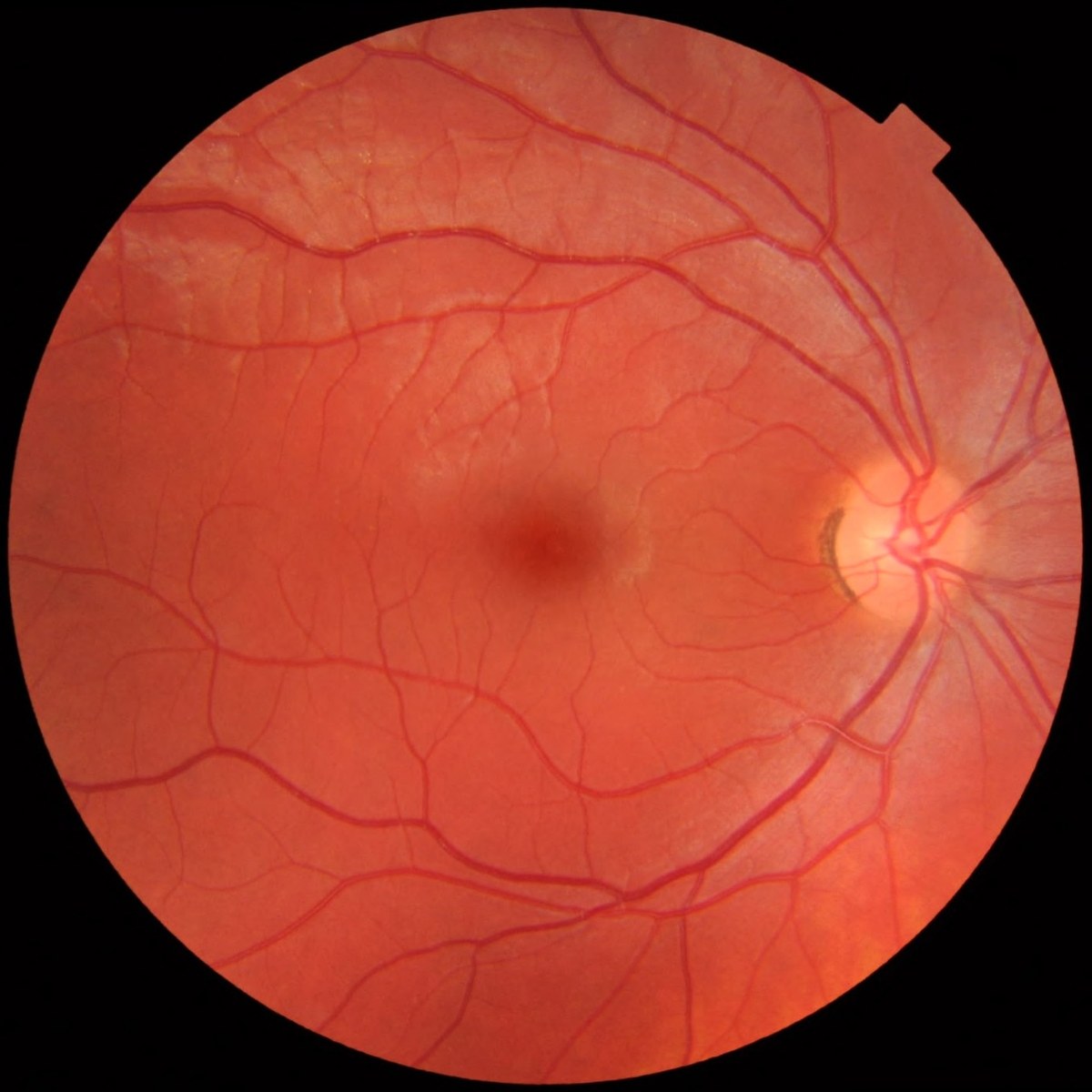
Two photographs of the same eye

What we see, and what the camera sees

Close-up photograph of a human eye: the brown iris and the pupil
From outside: the iris. The coloured ring around the pupil is what we all recognise as “the eye”. It is a window, not the place where diabetes leaves its marks.
Photograph of a healthy retina: optic disc, macula and blood vessels
From inside: the retina. Looking through the pupil, a retinal camera photographs the back wall of the eye — the optic nerve, the macula and the tiny blood vessels. This is what RetiVista reads.
How it works

Photograph · analysis · referral

1

A photograph of the retina

A colour picture of the back of the eye, taken with a portable retinal camera. No eye drops, no dilation, no discomfort: a few seconds per eye, in a pharmacy, a clinic or a screening van.

2

Analysis on the spot

The software examines the image and estimates the severity of diabetic retinopathy on the international clinical scale (0 = none … 4 = proliferative). It runs on an ordinary computer, on site: no image needs to leave the room.

3

A clear answer, and a doctor decides

The output is simple: referable — see an eye specialist — or not referable — repeat the check next year. It is a screening signal, not a diagnosis: the ophthalmologist always has the last word.

Healthy retina
Healthy retina. Even, clear background; vessels with regular calibre; a clean macula (the darker area at the centre).
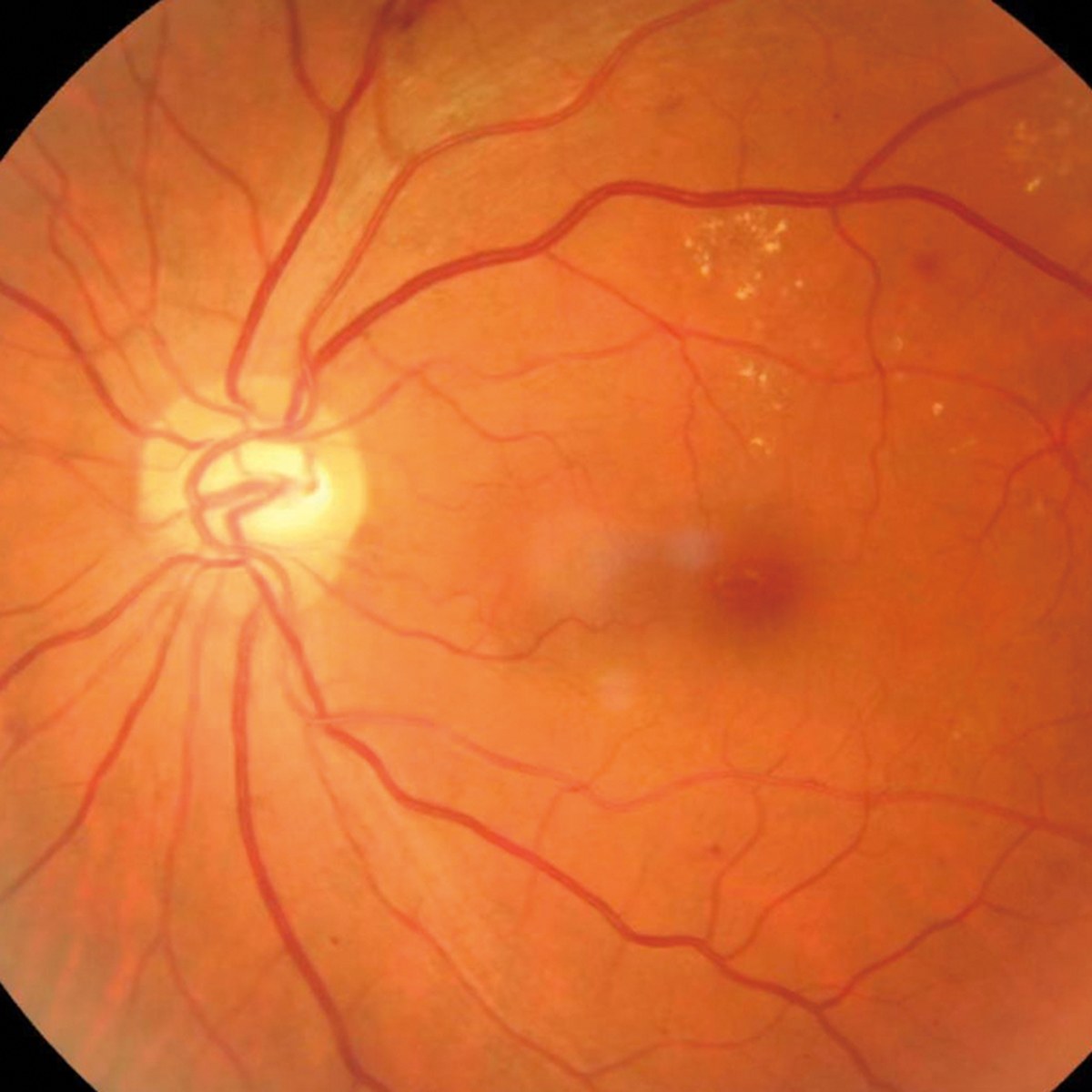
Retina with signs of diabetic retinopathy: small haemorrhages and yellowish exudates near the macula
Diabetic retinopathy. Small red dots and blots (microaneurysms and haemorrhages) and yellowish deposits (exudates) near the macula: the signs the software is trained to recognise and weigh.
What RetiVista is not. It is not a medical device and it is not certified. It does not diagnose diabetes or any disease. Its results must not be used to make clinical decisions. Today it exists as a research prototype, trained and tested on public, expert-graded image collections; clinical validation and certification are the next steps (see the roadmap).
Built on evidence

An established approach, done honestly

Automatic reading of retinal photographs for diabetic retinopathy is not science fiction: it is a mature field, and since 2018 regulators have authorised autonomous screening software of this kind. What makes the difference is not the algorithm alone, but how carefully it is validated on real patients and how it fits into everyday care.

The RetiVista prototype is trained on public collections of retinal photographs graded by specialists, and it is measured only on images it has never seen — including a collection from a different country and a different camera, which is the honest test of whether a model generalises. Results are published in the project notes as the work progresses.

Trained on expert-graded images

Thousands of retinal photographs graded by ophthalmologists on the international 0–4 scale.

Tested on what it has never seen

Accuracy is reported only on held-out images and on an independent collection from another country.

Privacy by design

Analysis runs locally. Images stay where they are taken; nothing is uploaded to a cloud.

Who it's for

Where people with diabetes already are

Pharmacies & primary care

A quick retinal check where people already collect their medicines or see their family doctor, with a clear referral when it matters.

Diabetes clinics

A way to make sure every patient gets the yearly retinal check, and that the ones who need the specialist are seen first.

Screening programmes

Population screening in towns and workplaces, with portable cameras and immediate triage — fewer unnecessary specialist visits, fewer missed ones.

Roadmap

Step by step, in the open

Phase 1 · 2026

Prototype

Model trained on public collections; local demo application; honest measurements on unseen images.

Phase 2

Clinical pilot

Real photographs with confirmed diagnoses, together with a diabetes and eye-care centre in Tuscany. Portable camera in the field.

Phase 3

Quality system & certification

Medical-device quality system, clinical evaluation, CE marking under the EU Medical Device Regulation; FDA pathway for the United States.

Phase 4

Service

Screening as a service for pharmacies, clinics and programmes — with the data and the partnerships that make it trustworthy.

About

A Zannini Group project

RetiVista is developed by Zannini Group, the holding of the Farnesi family, through its Italian company Zannini Gemini S.r.l. of Pisa — founded in 1991, with experience in electromedical devices.

The project is led by Bruno Farnesi, an entrepreneur and former Italian Navy helicopter pilot, with a career spanning pharmaceutical packaging, shipbuilding and medical devices. The approach is the family's: build things properly, one step at a time, and say clearly what is proven and what is not yet.

“The value is not the algorithm. It is the care with which it is validated, and the people it helps reach an eye doctor in time.”

Working with us

We are looking for partners for the clinical pilot: diabetes centres, ophthalmology departments, pharmacy networks, and makers of portable retinal cameras. If this is you, write to us.

Contact
Contact

Write to us

← Back to the Zannini Group site — the group